Cavaliers Team Shops
Rep the Team. Rock the LookBeyond Rank and Name – The History and Significance of Military Desk Nameplates
Wednesday , 5, November 2025 Information Comments Off on Beyond Rank and Name – The History and Significance of Military Desk NameplatesIn the highly structured world of the military, where uniforms, insignia, and hierarchy define interaction, even the smallest item of office furniture carries profound weight. The military desk nameplate, a seemingly simple block of wood or metal, is more than just an identifier; it’s a tangible symbol of authority, service, and tradition. It’s a silent, immovable fixture that says, “This is who I am, where I serve, and what I’ve earned.”

From Utilitarian Object to Symbol of Office
The desk nameplate’s true significance lies in its evolution from a basic utilitarian object—like its civilian counterparts used for identification in corporate offices—into an essential marker of professional military life. While the exact origins are hard to pinpoint, the custom is rooted in the practical need for clear identification in a setting where dozens of individuals with similar uniforms and, sometimes, similar names might occupy a single building. As military administration grew more complex, particularly after major global conflicts that expanded the need for dedicated office spaces, the desk plate became a quick, definitive reference.
Unlike name tags worn on a uniform, which are typically made of cloth or plastic for field use, the desk nameplate—often crafted from rich mahogany, walnut, or highly polished brass—denotes a formal position and a fixed base of command or administration. This choice of material speaks volumes; wood and metal suggest longevity, permanence, and dignity, setting a tone of serious, enduring responsibility.
The Importance of Displaying Rank and Insignia
For a civilian nameplate, the primary information is usually the name and job title. For a military desk nameplate, the rank is paramount, often preceding the name. This is crucial in a profession governed by the chain of command. The rank displayed on the desk is not for the benefit of the occupant, who is well aware of their own standing, but for every visitor, subordinate, and superior who enters the space. It instantly communicates the appropriate level of deference, formality, and expected communication protocols.
Furthermore, these nameplates are a canvas for branch-specific emblems, unit insignia, or command logos. A Navy anchor, an Air Force emblem, or a divisional crest is often carved into the wood or affixed to the base. This imagery transcends the individual; it binds the officer or non-commissioned officer to the larger institution and the legacy of their particular service branch or unit. The placement of a coin holder for challenge coins on some nameplates further embeds it in the rich tradition of military recognition and camaraderie.
A Keeper of History and Honor
Beyond its function in the daily command structure, the military desk nameplate holds profound personal significance. It is often one of the first and most cherished gifts a service member receives upon a promotion, a change of command, or a new assignment. As a gift, it represents the recognition and respect of peers and superiors for past accomplishments and future potential.
Upon retirement or transfer, the nameplate often transitions from a functional piece of office equipment to a treasured personal keepsake. It symbolizes an entire career: years of service, deployments, sacrifices, and leadership. The nameplate that once commanded an office now sits on a mantle, telling a story that “rank and name” alone can’t capture. It is a tangible piece of personal history, marking the pinnacle of a service member’s career and the transition to a new chapter.
In conclusion, the military desk nameplate is a small item with an oversized role. It’s a subtle yet powerful reminder of the core values of the armed forces—discipline, authority, tradition, and personal honor. It’s a physical manifestation of a career in uniform, signifying not just who you are today, but the distinguished path you have taken to get there.
Choosing Reliable Cross Country Movers for a Smooth Relocation
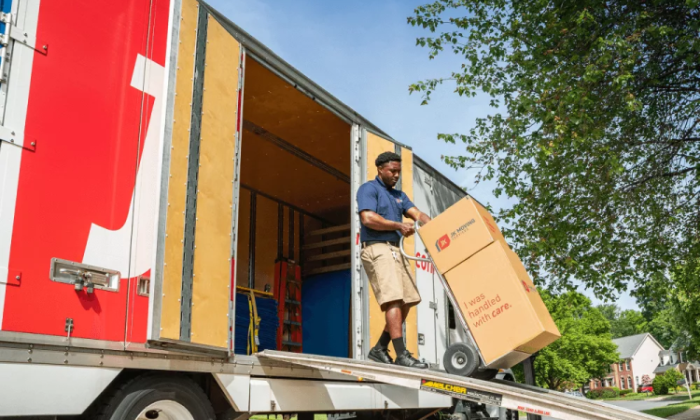
Sunday , 12, October 2025 Guide Comments Off on Choosing Reliable Cross Country Movers for a Smooth RelocationMoving across the country can feel overwhelming, especially when there are countless details to manage. From organizing personal belongings to ensuring everything arrives safely, the process demands careful planning. Selecting reliable professionals is one of the most important steps toward a smooth transition.
Understand Your Specific Relocation Needs
Every household or business move is different. Before requesting quotes, identify what matters most. Are you relocating a large family with furniture, or do you have a smaller shipment? Do you need assistance with packing fragile items, or are you only looking for transport? Clarifying these details upfront helps you focus on companies that provide tailored solutions rather than generic services.
Compare Services Beyond Just Price
It can be tempting to pick the cheapest option, but moving long distances involves more than affordability. While it is a good idea to compare moving cost from California to New York, you should also look closely at the range of features included. Some providers offer climate-controlled storage, real-time shipment tracking, and dedicated moving coordinators. Others may limit their support to basic loading and unloading. Understanding these distinctions ensures you choose a company that aligns with your expectations rather than cutting corners.
Research Credentials and Experience
When evaluating potential movers, verify their licensing and insurance details. Interstate relocations require companies to register with the U.S. Department of Transportation, so check their DOT number for legitimacy. Years of experience also play a major role in predicting reliability. A well-established provider is more likely to handle challenges effectively, reducing the risk of delays or damage.
Read Reviews and Ask the Right Questions
Customer feedback provides valuable insight into real-world performance. Look for patterns rather than isolated comments. Consistent praise for punctuality and care suggests a trustworthy choice. During consultations, ask about their dispute resolution process, claims handling, and delivery window guarantees. Honest, detailed answers indicate a transparent business model.
Why Professional Help Beats DIY Moves
Some individuals consider handling the entire process themselves to save money. While renting a truck and managing logistics alone may seem feasible, the physical strain, time commitment, and potential for mistakes often outweigh the perceived savings. Experienced movers bring expertise, specialized equipment, and liability coverage, making them a safer and more convenient option for major relocations.
Final Thoughts
Long-distance moving requires strategic planning and dependable support. Taking time to analyze services, validate credentials, and read client experiences will protect both your belongings and peace of mind. For those seeking reliable solutions, exploring options among the best cross country moving companies ensures a combination of professionalism, security, and efficiency. Whether you prioritize speed, budget, or premium assistance, focusing on reputable providers will make the journey far less stressful. Ultimately, choosing from the best cross country moving companies isn’t just about convenience—it’s about safeguarding one of life’s biggest transitions.
Why You Should Never Face Criminal Charges Alone
Saturday , 27, September 2025 Legal Guide Comments Off on Why You Should Never Face Criminal Charges AloneBeing charged with a crime is one of the most stressful experiences anyone can face. Beyond the fear of fines, jail time, or a permanent criminal record, the legal system itself is complex and intimidating. Many people believe they can handle the situation on their own, but the risks are too great. Here’s why it is never wise to face criminal charges without the support of an experienced attorney.

The Legal System Is Complicated
Criminal law in New Jersey is filled with procedures, deadlines, and technical rules that can be overwhelming for someone without legal training. From arraignments and bail hearings to pretrial motions and discovery, each step requires knowledge of the law and strategic planning. A small mistake, like missing a deadline or misunderstanding a legal requirement, can have lasting consequences. Criminal lawyers in Hackensack are trained to navigate these procedures and ensure that no critical detail is overlooked.
Protecting Your Rights From the Start
From the moment you are investigated or arrested, your rights are at stake. Law enforcement officers and prosecutors are focused on building a case against you, not protecting your interests. Without legal representation, you may be pressured into speaking or making decisions that harm your defense. A trusted attorney ensures your constitutional rights are upheld during questioning, searches, and court proceedings. Having a criminal defense lawyer by your side can prevent violations that might otherwise go unchallenged.
Building a Strong Defense Strategy
Every criminal case is different. The strength of the evidence, the credibility of witnesses, and the details of the investigation all matter. A skilled attorney knows how to evaluate the prosecution’s case, identify weaknesses, and present a defense tailored to your situation. Whether it involves negotiating a plea deal, filing motions to suppress evidence, or preparing for trial, your lawyer’s strategy can dramatically influence the outcome. Facing criminal charges alone leaves you without the tools to build an effective defense.
Reducing Penalties and Consequences
Even if a conviction cannot be avoided, having professional legal representation can significantly reduce penalties. Attorneys often negotiate with prosecutors to lower charges or recommend alternatives such as probation, community service, or treatment programs. These options may not be available if you try to manage the case yourself. Experienced criminal lawyers Hackensack NJ understand the local courts and can advocate for the best possible resolution.

Peace of Mind During a Difficult Time
Beyond the legal strategies and courtroom advocacy, one of the greatest benefits of having a lawyer is peace of mind. Criminal charges can feel isolating, but you don’t have to face the process alone. Knowing that a professional is protecting your interests allows you to focus on your personal life, your family, and preparing for the future.
Conclusion
Criminal charges can change the course of your life. Trying to handle them without legal guidance puts your freedom, reputation, and future at unnecessary risk. By working with experienced criminal defense attorneys in Hackensack, you can ensure that your rights are defended and that you receive the strongest possible representation in court. If you or a loved one is facing charges in Bergen County, remember: you should never face criminal charges alone.